
Recent developments in the United States have highlighted a complex interplay between economic challenges and political dynamics, affecting both national policy and public opinion.
Economic Challenges Amid Inflation Concerns
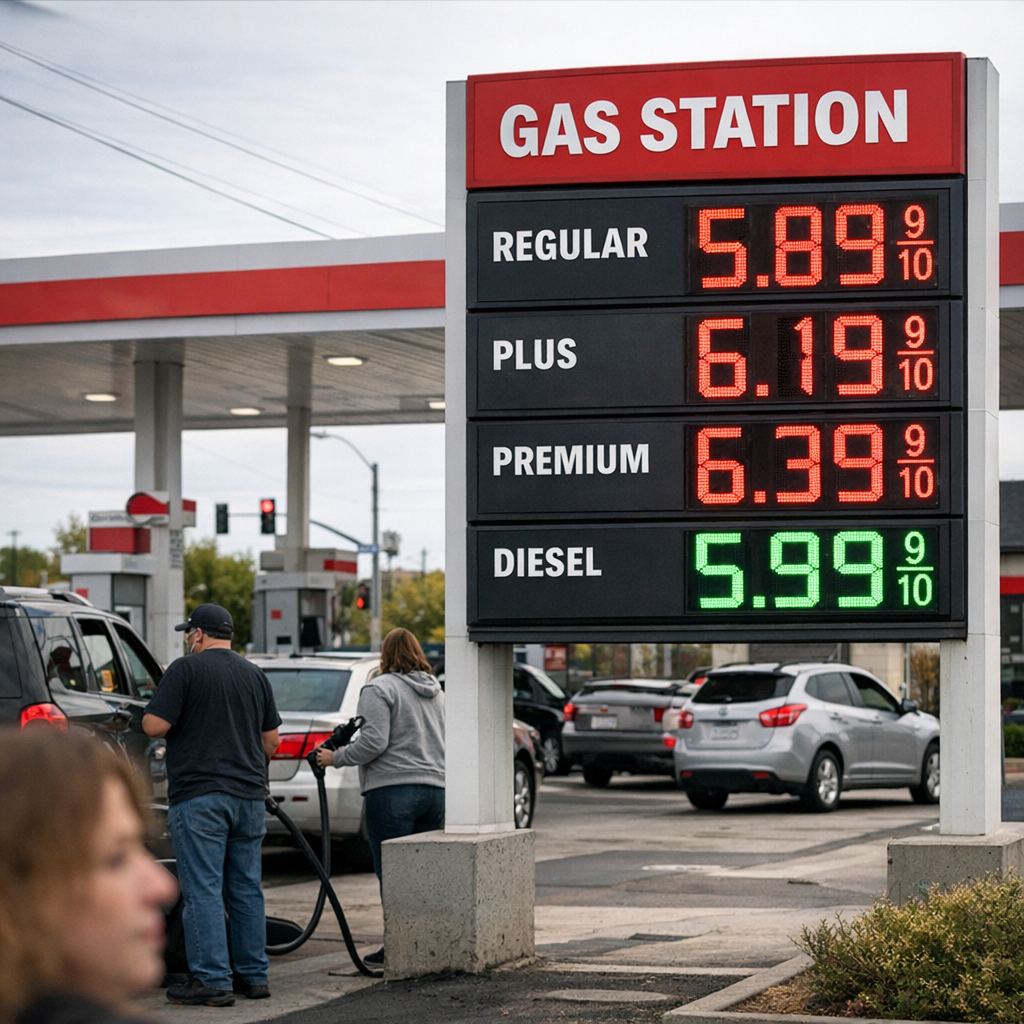
The U.S. economy is experiencing notable pressures, with inflation reaching 3.8% in April, the highest in three years. This surge is largely attributed to increased energy costs following the military conflict with Iran, which led to the closure of the Strait of Hormuz. Consequently, average gas prices have risen above $4.50 per gallon nationally, with some states exceeding $5.00 per gallon. These economic strains have contributed to a decline in consumer confidence and heightened public dissatisfaction with current economic policies.
Political Landscape and Public Sentiment
In the political arena, the upcoming 2026 midterm elections are drawing significant attention. A recent CBS News/YouGov poll indicates that 70% of Americans feel “angry” or “frustrated” with the administration’s handling of the economy. This sentiment poses challenges for the Republican Party as they prepare for the elections. Additionally, the administration’s trade policies have faced legal setbacks, with the Supreme Court striking down broad tariff measures earlier this year, adding to the complexity of the current political climate.
Implications for Local Communities
For residents of Downey, California, these national issues have tangible local impacts. Rising fuel prices affect commuting costs, while inflation influences the affordability of goods and services. The political climate may also shape local economic development and community programs. Staying informed about these developments is crucial for understanding their potential effects on our community.
As the nation navigates these economic and political challenges, it is essential for citizens to engage with the issues, participate in the democratic process, and advocate for policies that address both national concerns and local needs.